Parenting in 2025 feels like walking a tightrope — between screen time and playtime, independence and safety, chaos and calm. But here’s the truth: we’re not losing control, we’re evolving. 💛
The modern parent is more informed, more intentional, and yes — more exhausted. But that exhaustion comes from caring deeply about doing this right. The good news? This year’s biggest parenting trends aren’t about perfection. They’re about connection, awareness, and balance.
Here’s what’s shaping how we raise the next generation — from infants through tweens — and why it all matters.
🌅 1. Lighthouse Parenting: Guiding, Not Controlling
In 2025, “Lighthouse Parenting” is shining bright as a new favorite approach. Coined by Dr. Kenneth Ginsburg and popularized in 2024–2025 by Dr. Justin Coulson’s Happy Families report, it’s all about being the steady light — not the captain steering the ship.
Lighthouse parents provide structure and safety but allow their kids to navigate the waves. Instead of controlling every move, they observe, guide, and trust.
💡 Try it at home: Step back during playtime or homework. Let your child make small decisions (even the “wrong” ones). It builds resilience faster than any lecture ever could.
💬 2. Emotional Intelligence Becomes the New Milestone
Forget “Is my child reading yet?” In 2025, parents are asking, “Can my child name their feelings?”
Schools and families alike are focusing on EQ (emotional intelligence) — a child’s ability to recognize, express, and regulate emotions. Research from Yale’s Child Study Center shows that emotional literacy predicts not just happier kids, but more successful adults.
💛 Parent tip: Label emotions out loud — “You seem frustrated that your tower fell.” This models emotional vocabulary and helps your child feel understood.
🕰️ 3. The Rise of Slow Parenting (and Tech Fatigue)
After a decade of dopamine-scrolling and over-scheduling, families are saying enough. The “slow parenting” movement, inspired by Carl Honoré’s book Under Pressure, is seeing a comeback.
Parents are opting out of packed schedules and digital overload — choosing unstructured play, family walks, and device-free dinners.
🧠 Why it matters: Studies from the American Psychological Association (2024) show that slower-paced routines reduce stress in both kids and parents, increasing attention spans and creativity.
💡 Try this: Replace one “structured activity” a week with free play. Let boredom work its magic — it’s where imagination lives.
🫶 4. Community Parenting: The Return of the Village
We may be parenting in a digital world, but 2025 is all about rediscovering the village.
Parents are forming co-op preschools, shared babysitting circles, and even “parent pods” — micro-communities built on shared values and trust.
A study by Pew Research (2025) found that 68% of parents say they rely more on other families for childcare or support than they did pre-pandemic.
💬 Mom voice moment: The carpool chats, the group texts, the “can you grab her from dance?” — that’s modern village life. Don’t underestimate how much it matters.
🌍 5. Eco-Parenting & Climate-Conscious Kids
Raising little planet protectors isn’t just a trend — it’s a movement. 🌱
Parents are weaving sustainability into daily routines: composting, thrifting, choosing reusables, and growing backyard gardens.
Preschools, too, are going green — with outdoor classrooms and “eco-curriculums.” Studies from Childhood by Nature (2025) show outdoor learning improves empathy, patience, and problem-solving.
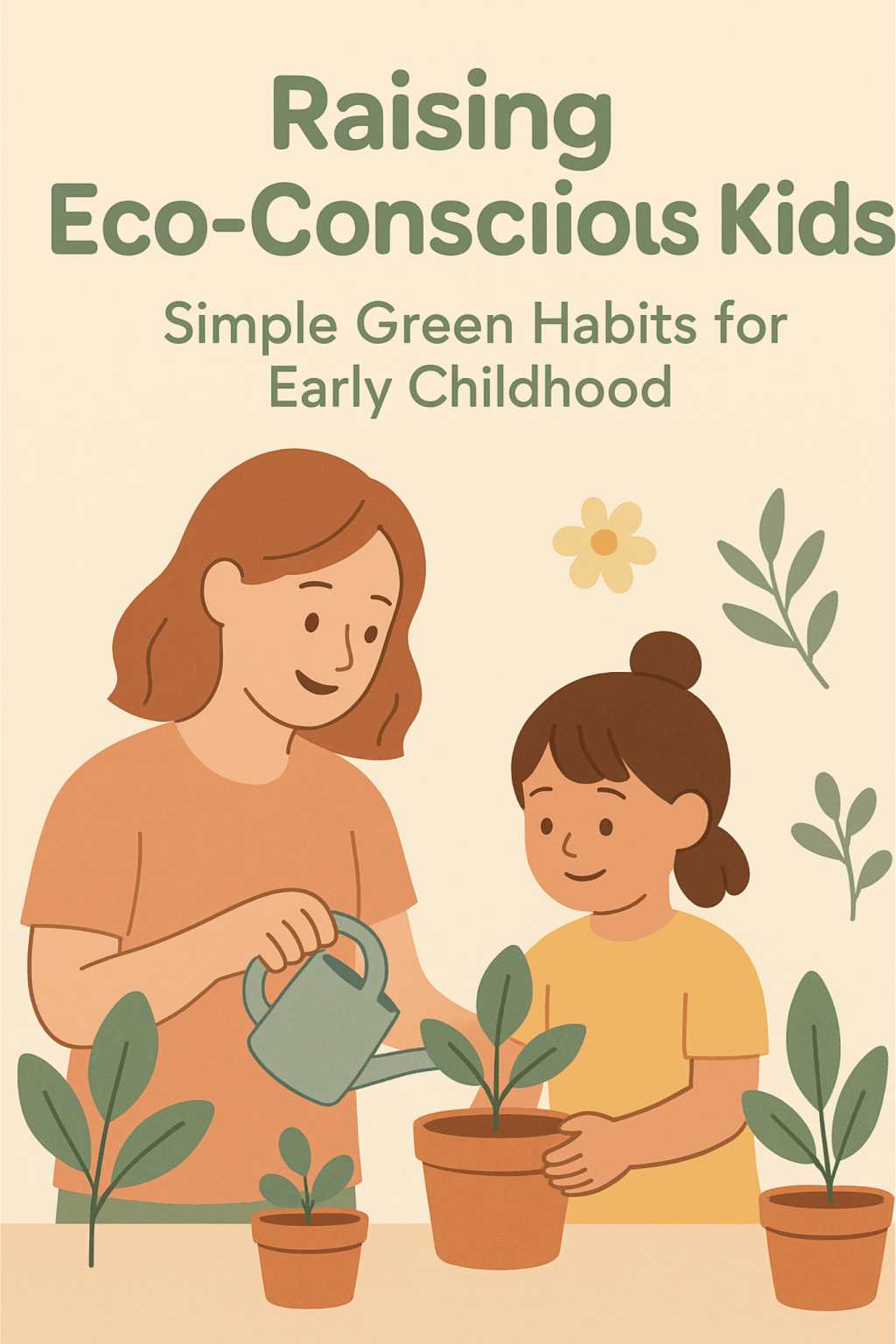
💡 Simple start: Give your child a plant to care for. Watching it grow builds responsibility — and connection to the world around them.
🤖 6. AI Helpers and Digital Nannies — Friend or Foe?
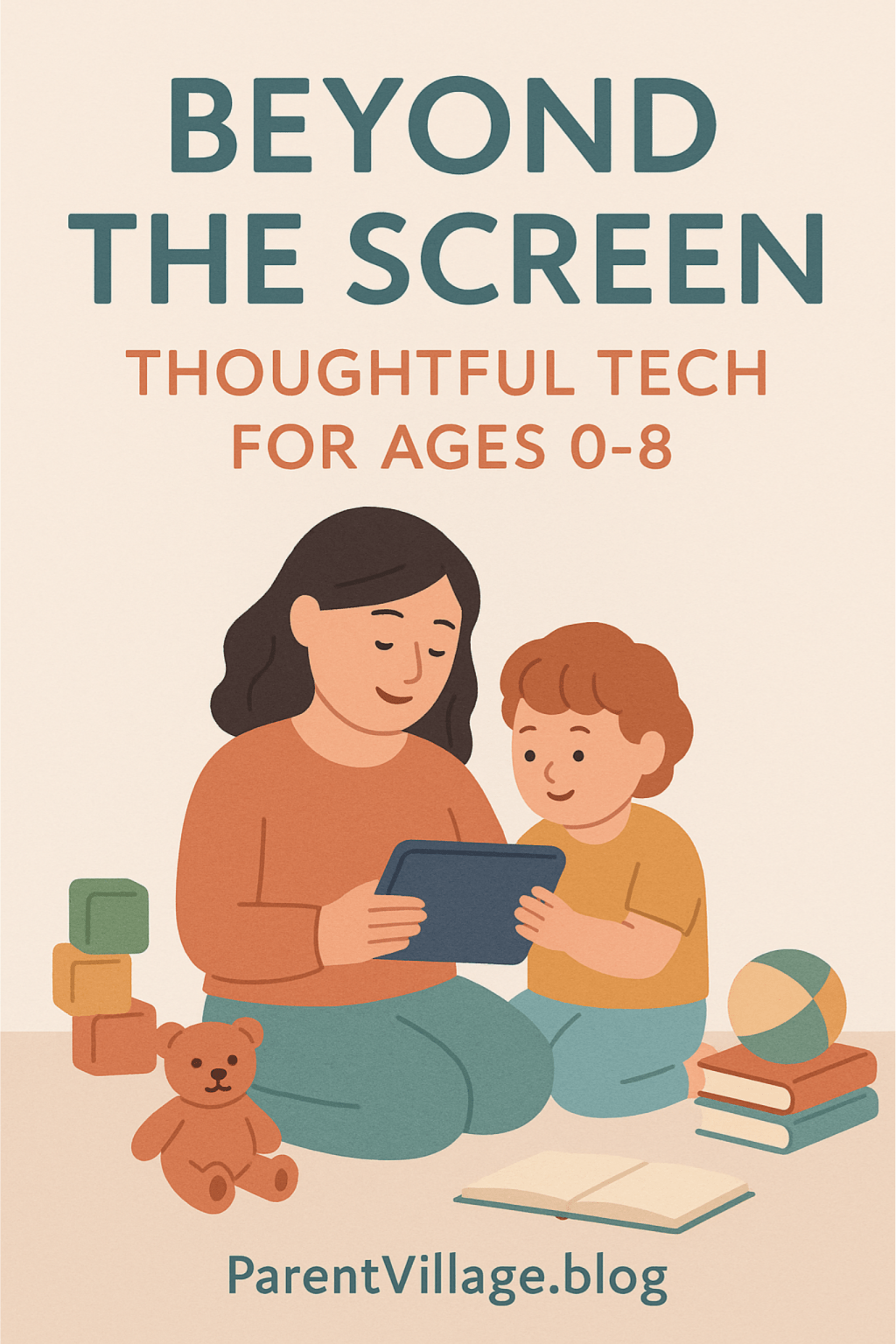
From AI-powered storybooks to virtual babysitters, parenting tech is exploding in 2025. Tools like “AI Nannies” and adaptive learning apps promise to make life easier — but experts urge caution.
Dr. Jean Twenge, author of Generations (2024), warns that excessive reliance on tech can reduce real connection. The balance? Use AI for support, not substitution.
💬 Mom tip: Think of AI as your co-pilot, not your replacement. It can remind you of bedtime routines, but only you can give the goodnight hug. 💛
🧘♀️ 7. Parental Burnout Gets a Rebrand — and Real Solutions
We’ve talked about “mom burnout” for years, but in 2025, it’s finally being met with empathy — and resources.
New studies from the American Academy of Pediatrics (2025) show that mindfulness and self-compassion practices (like journaling, therapy, or even five quiet minutes) dramatically reduce parental stress.
The message is clear: taking care of yourself isn’t selfish. It’s strategic.
💛 Mom voice: You can’t pour from an empty cup — but you can refill it while your kid plays with LEGO.
🌈 Final Thoughts
Parenting trends come and go — but love, presence, and community never fade. 2025 isn’t about reinventing parenting; it’s about rebalancing it.
We’re learning that raising kind, curious, emotionally aware kids starts with us — choosing connection over perfection, calm over chaos, and community over comparison.
✨ You’re doing better than you think, mama.
Created with love by ParentVillage.blog 💛



Leave a comment